What we achieved
Four years of insect production in and around Kyaka II: what worked, what we learned – and where we go from here.
Results in numbers
965
refugee and host community members trained in black soldier fly larvae production
500
farmers actively producing black soldier fly larvae
80
households producing mealworm
30
farmers associations supported – plus two insect farmers’ cooperatives
342
children in the world’s first school feeding trial with mealworm
6
peer-reviewed papers on black soldier fly larvae
Key results
RefIPro combined practical production with research. These are the most important findings.
School feeding trial
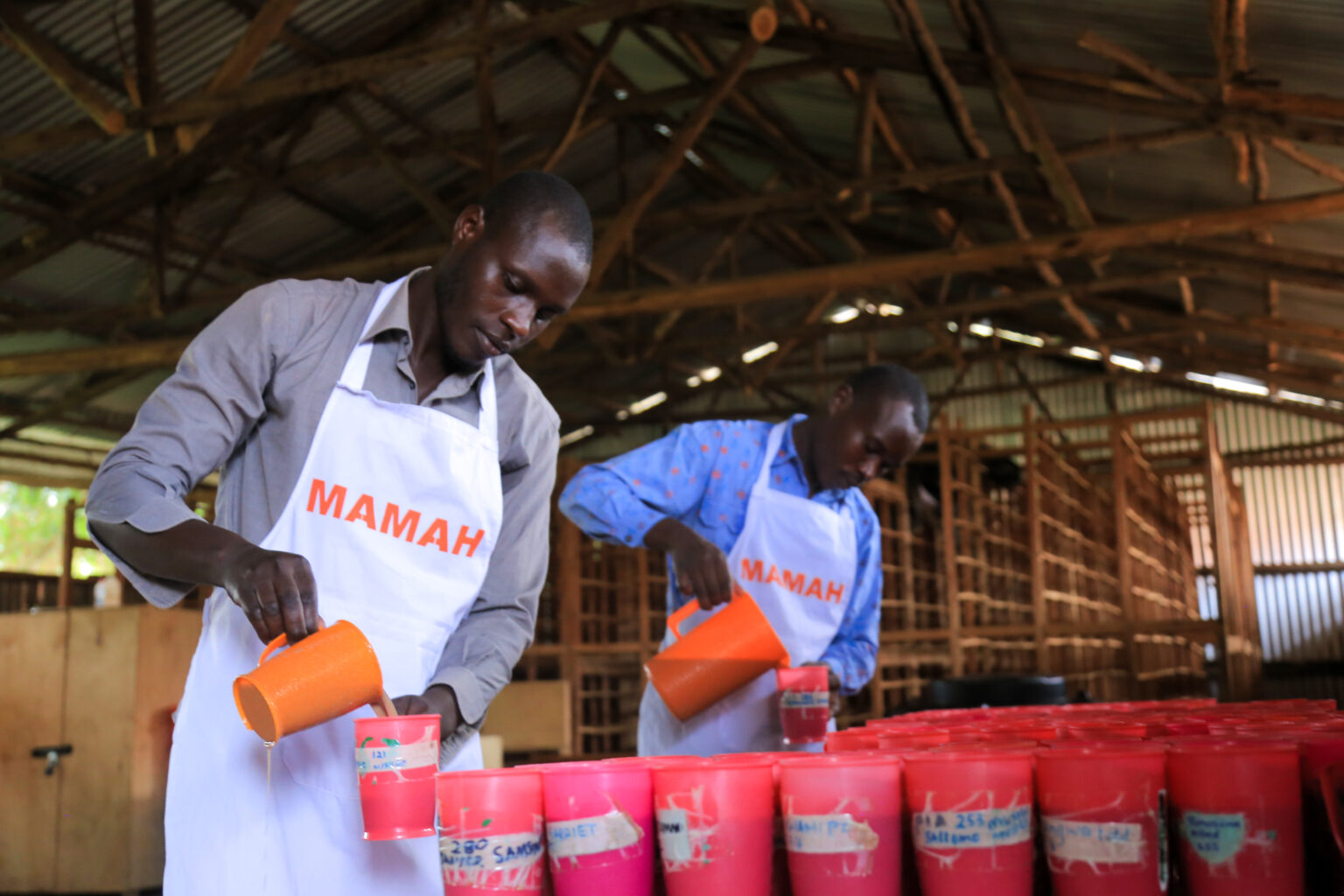
The first randomised trial in the world of mealworm in school meals. 342 children aged 6–9 got porridge every school day for 14 weeks.
Key result: Children who got mealworm grew 0.24 cm more and gained 0.34 kg more lean body mass.
Mealworm research
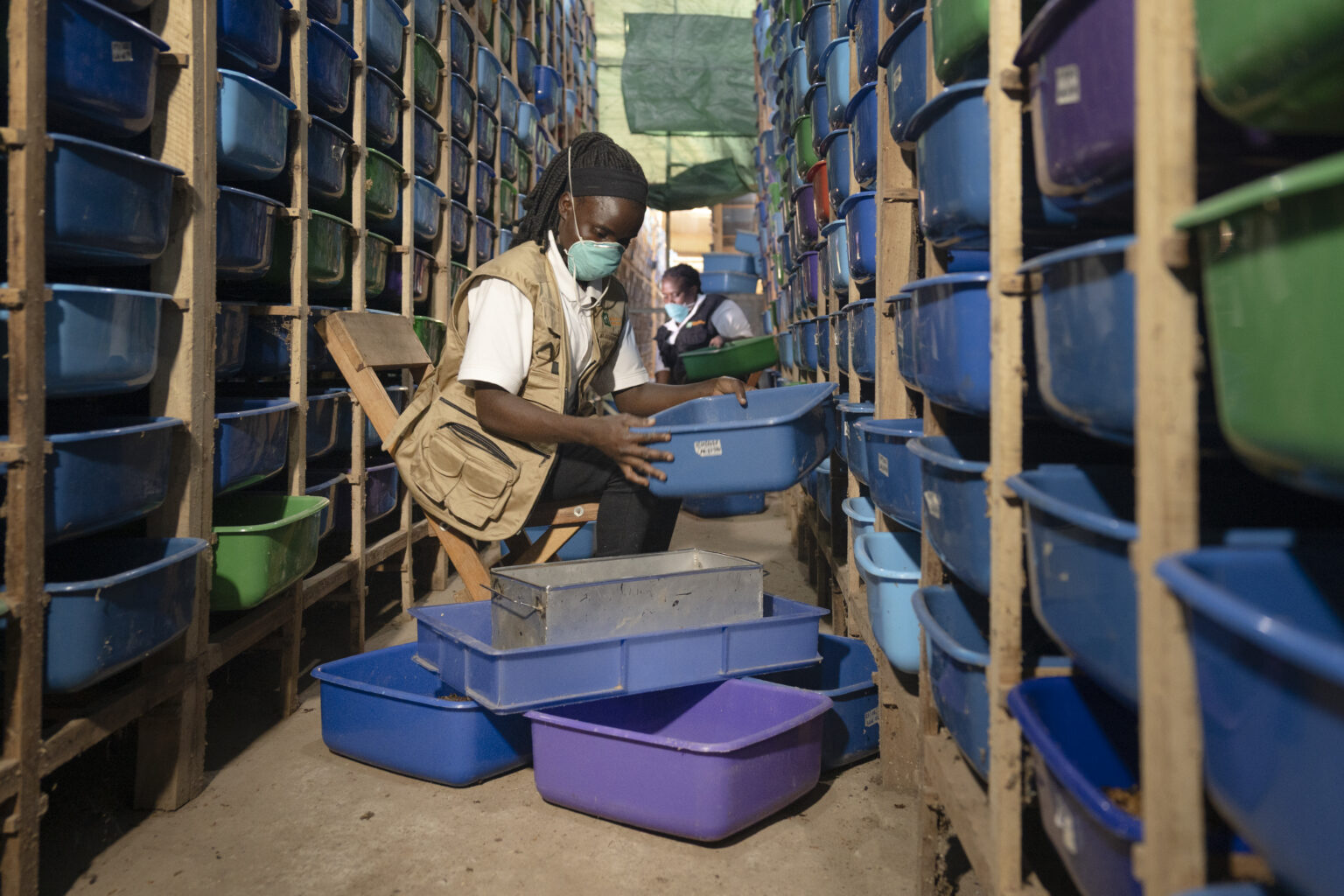
In feed trials at Bobo Eco Farm, larvae fed 80% maize bran and 20% chicken feed grew three times larger in half the time than on wheat bran alone – but that feed costs about twice as much. Mealworm-enriched flour stayed safe to eat for six months.
Key result: Mealworm frass used as fertiliser gave 48% more kale than cattle manure.
Black soldier fly research
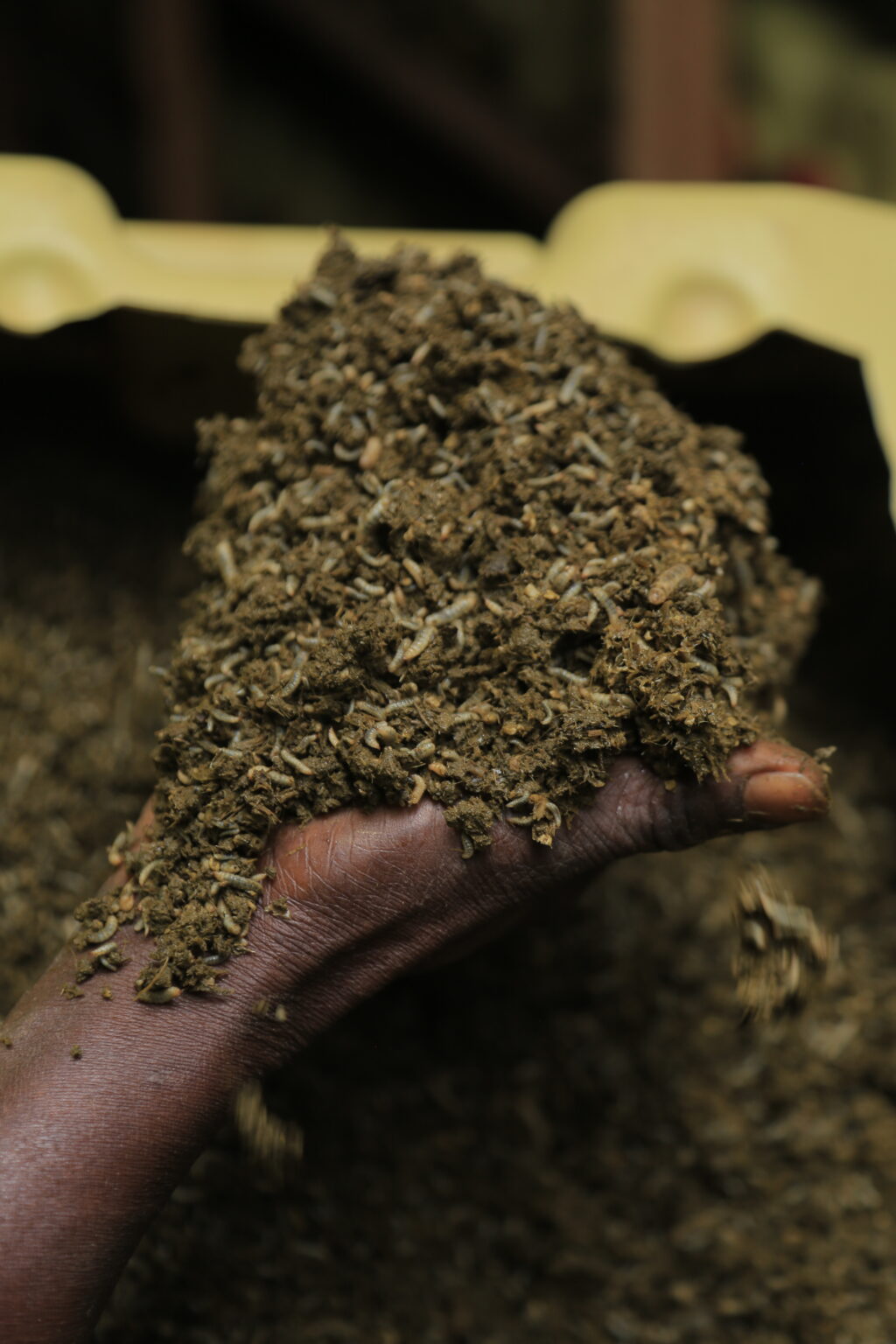
A mix of cattle dung and maize bran gave the fastest growth (15 days) and the highest yield. Cattle dung alone took 30 days. Mixing market waste with cattle dung worked far better than either on its own.
Key result: BSFL frass used as fertiliser gave 35% more kale than cattle manure.
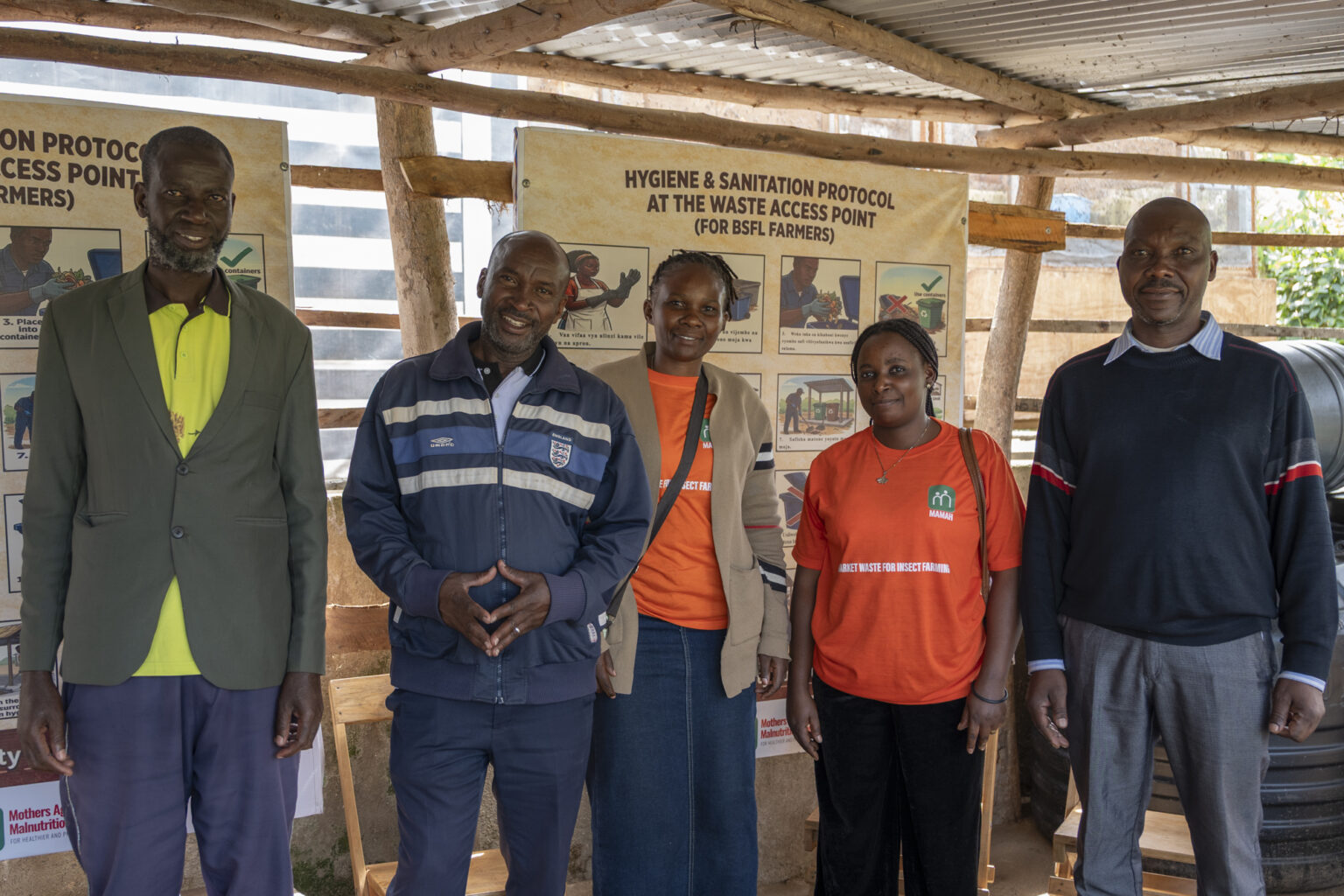
Stronger together
Refugees and host community members run the Kyegegwa Insect Farmers Cooperative together. Members save and borrow through a savings and credit group, and new farmers are joining on their own initiative.
Key result: 70% of the Kyegegwa cooperative’s members are refugees – and they chose a refugee as chairperson.
Read more about mealworm production, black soldier fly larvae and the school feeding trial.
What we learned
The lessons from four years of insect production in a refugee setting – for anyone who wants to do the same.
Question the assumptions
We assumed mealworm production was ready to scale. It was not, and the targets were too ambitious. Test the model before rolling it out.
Follow-up beats kits
Short, hands-on training works – but only with regular follow-up visits and experienced champion farmers.
Feed decides everything
Start by securing affordable feed or organic waste close to the farmers, before investing in production.
Breeding is the bottleneck
Farmers depend on breeding centres for eggs and young larvae, and supply rarely keeps up. Simpler breeding units can let farmers breed their own.
Target livestock keepers
Black soldier fly larvae are worth most to farmers who already keep chickens, pigs or fish.
Organise the farmers
Associations and cooperatives pool resources, strengthen market access and bring refugees and hosts together.
Insect farming can work in a refugee settlement – but it needs time, local feed and strong farmer organisations.
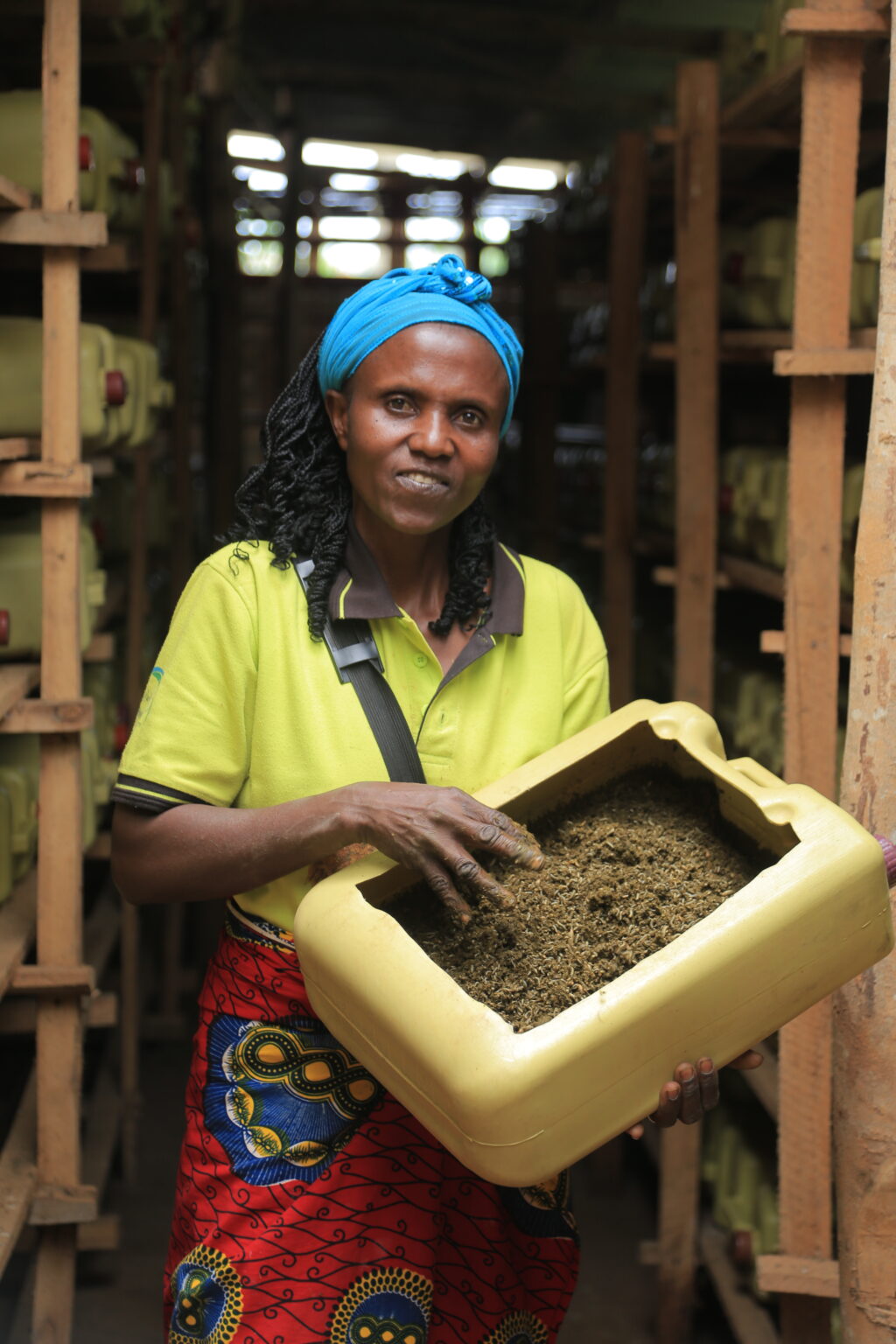
Where we go from here
RefIPro has shown what is possible. Building on what we have learned, four things are needed to take insect farming further:
Decentralise breeding. Test simpler, cheaper breeding units so farmers and groups can produce their own eggs and young larvae.
Secure organic waste. Work with district authorities on waste management, so farmers get better access to waste for feed.
Access to finance. Strengthen savings and credit groups in the cooperatives, so farmers can invest in expanding production.
School meals for all. Advocate for school feeding that reaches every child – including the poorest, who are often left out today.
The research continues too: the analysis of the children’s gut health is still ongoing.
Want to know more?
Find the practitioner reports and other publications from RefIPro.